If You Didnt Have Time to Do It Right the First Time How Will You Ever Have Time to Do It Again
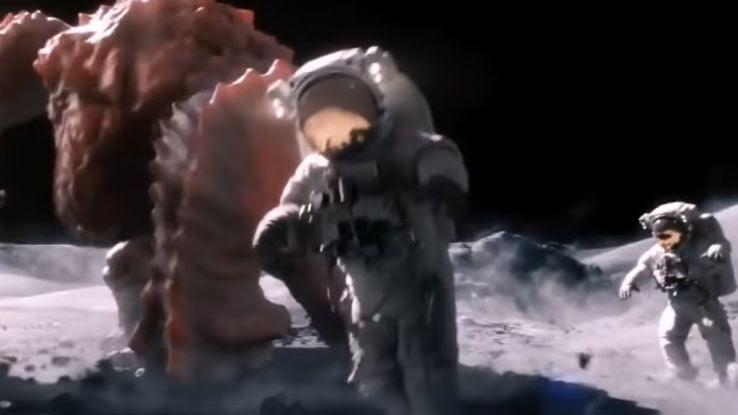
Affective commercials don't just sell us a great production; they likewise tell a story. People buy with their emotions before their logic, which makes advertisements that play on feelings and then constructive.
These are the most iconic commercials, the ones that have stayed in viewers minds years or fifty-fifty decades later on the fact due to their memorable stories, controversial statements or hilarious jokes. Which i of these products would y'all purchase based on the commercial?
Calvin Klein: "Obsession" (1986)
The set of this commercial for Obsession perfume looks like an Escher painting considering of its blackness and white color scheme and multiple staircases. With its emphasis on flowers and sleek, sophisticated shapes, it was piece of cake to run across Obsession was almost to be a worldwide, well, obsession.
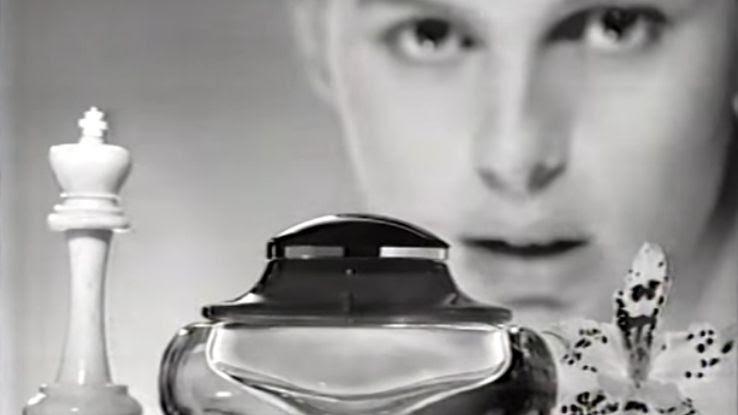
This highly stylized art firm film was dreamlike, exotic and fabricated an impression, not only for its direction, merely also because it made no sense. Who knew confusing your consumers could lead to millions of dollars in revenue?
Apple: "1984" (1984)
George Orwell'south novel 1984 is a staple of pop culture, so information technology'south non surprising that someone tried to use it in a commercial in the titular yr. In this Super Bowl commercial, Apple states that its technology can remove yous from the iron clutches of Big Brother and lead you to freedom.
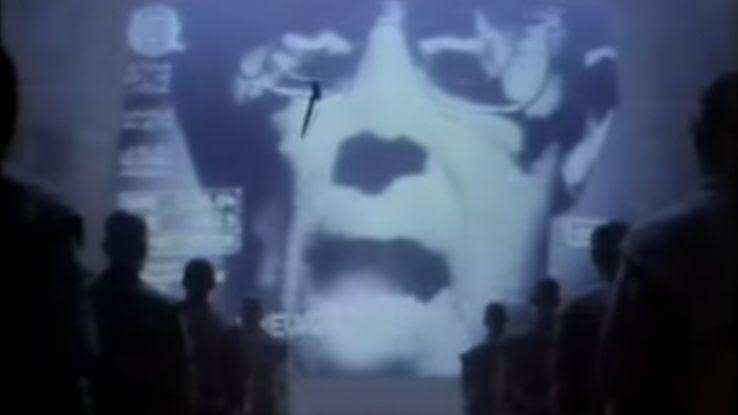
Apple'southward "1984" is credited for making Super Bowl commercials a thing in the commencement place and won many awards, including a Clio Award. Ad Historic period named it the number ane Super Bowl commercial of all time — an impressive feat, considering it'south 1 of the firsts.
Coca-Cola: "Hey Child, Grab!" (1979)
In this commercial from 1979, Mean Joe Green shotguns a Coke given to him by a young sports fan afterwards a game. As a thank you, Greenish tosses his jersey and spouts the famous line, "Hey kid, catch!" which has been parodied and referenced always since.
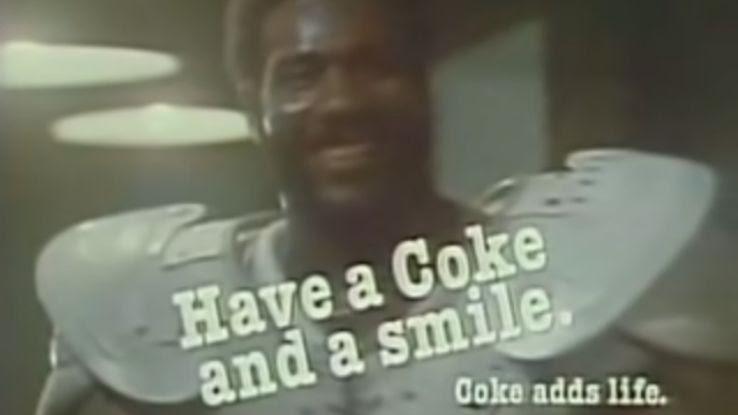
Not only did it win a Clio award, but it likewise inspired a 1981 made-for-tv picture, The Steeler and the Pittsburgh Child. Moreover, African-Americans were still a rarity in commercials at the time, and the success of the ad further showed the importance of portraying them in media.
Metro Trains: "Dumb Ways to Die" (2012)
This animated Australian safety campaign was designed to promote child safety. Its blithe cartoon characters told children how to avoid danger around trains specifically, simply also featured electrocution, food poisoning and fire.
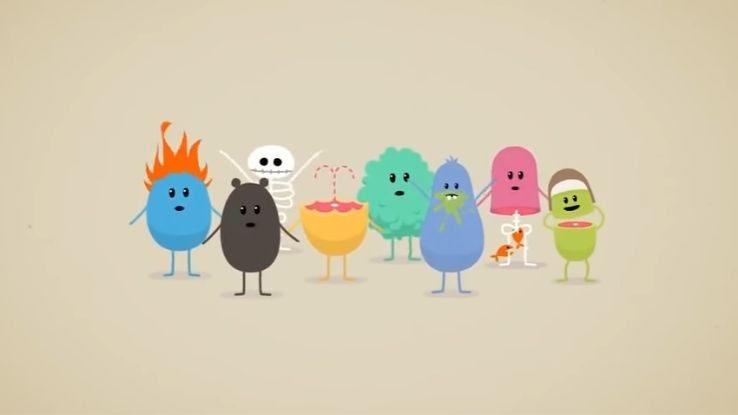
The entrada became the about awarded campaign in history at the Cannes Lions International Picture Festival of Creativity and led to multiple spin-offs, including a mobile game, children's books and toys. Information technology'due south also credited with improving safety around trains in Australia, reducing the number of "near-miss" accidents by more than than 30 per centum.
PSA: "This Is Your Brain on Drugs" (1997)
"This is your brain. This is your brain on drugs. Whatsoever questions?" This tough-love PSA was no dubiousness scary for children but was memorable in delivering its anti-drug rhetoric. The campaign was so popular and quotable that another campaign was launched that featured the actress slamming the frying pan into dishes and other breakable objects.

Multiple PSAs were made in the '80s to warn children of the dangers of drugs, just the sizzling eggs on the pan is the most iconic. Granted, whether information technology was effective in preventing drug apply may be a dissimilar affair.
Monster.com: "When I Grow Up … " (1999)
Sometimes, an effective ad campaign is a parody of less successful commercials. "When I Abound Up…" was exactly that, a parody of aspirational commercials that told children to reach for the moon and stars. Where other ads came across equally too idealistic to believe, this i didn't take itself too seriously.
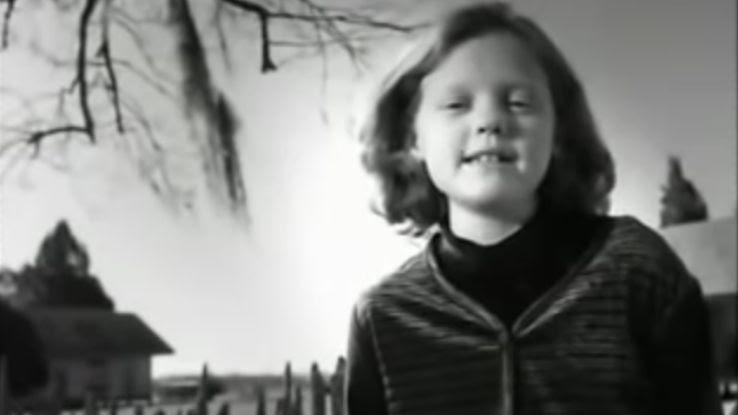
Monster'southward motivating advertisement is funny and unconventional, and overnight, it doubled the monthly viewers on the task website from 1.5 to 2.5 million. Information technology also won multiple industry awards for its message.
IAMS: "A Boy and His Domestic dog Duck" (2015)
America loves coming of age stories, especially easily digestible ones. This commercial told the story of a boy and his dog Duck, who both grow old together equally the viewer learns why the dog received his unique name. Spoiler: Duck is how the boy pronounced the name "Duke" when he was a child.
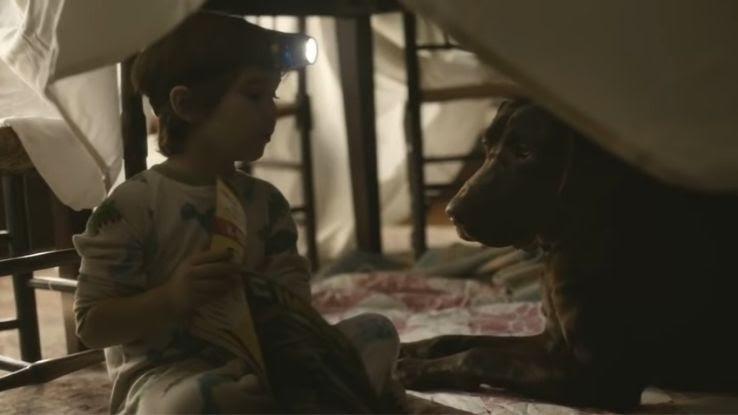
Yes, it's emotionally manipulative. Yes, IAMS isn't a specially unique dog food brand, and aye, many viewers probably knew what the ad was doing, just people cried anyway. Information technology'due south not every day that a commercial breaks your eye like this.
Extra: "Origami" (2013)
Why is a gum commercial trying to make yous cry? Much like the previous commercial, this 1 uses the story of a parent-child relationship and origami wrappers to tell a sweet story. The little daughter places all the origami swans they've made together in a shoebox and takes them off to college. It's hard non to brand an audible "Aww" when you see it.
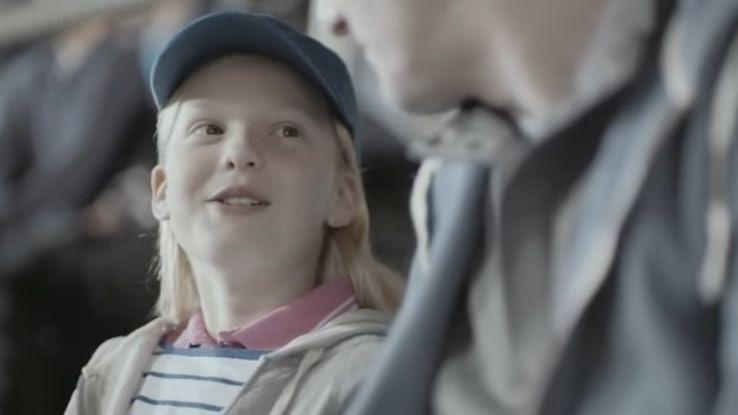
This "time-flies" commercial is most enjoying the little things while sticking together through hardships. Kind of like how mucilage sticks to the bottom of a desk, although that probably wasn't the comparison they were going for.
Casper: "Can't Sleep?" (2017)
Mattress company Casper decided to create an unorthodox ad aimed at a core function of its consumer base: insomniacs. The commercial itself is only a 15-second snippet of relaxing imagery and the number for a hotline along with the words, "Can't sleep?" It aired at 2 am.

If y'all practise make up one's mind to call the number, an automated vocalization reads off a listing of relaxing sounds and sleep-inducingly boring recordings y'all can listen to. Unless yous stay on the line to hear what number nine is, you won't fifty-fifty know that Casper is behind the line. Information technology's certainly an unforgettable approach.
John Lewis: "The Deport and the Hare" (2013)
Are you from the UK? If y'all are, you've no dubiety seen the annual John Lewis & Partners Christmas advertisements for the department store of the same proper name. 2013's commercial was particularly noteworthy. It told the heartwarming story of a conduct who receives an alert clock for hibernation from his friend, the hare.

The animated commercial was ready to a Lily Allen encompass of Keane's "Somewhere Simply We Know" beautifully compliments this ii-minute advert, and Disney veterans came together to consummate this masterpiece. It won multiple awards and also boosted alert clock sales by 55 percent.
Chipotle: "Back to the Start" (2011)
This heartwarming stop-motion Chipotle campaign followed two farmers who moved to a more sustainable farm, and it was insanely pop in 2011. Information technology featured a moving encompass of Coldplay's vocal "The Scientist" by Willie Nelson.
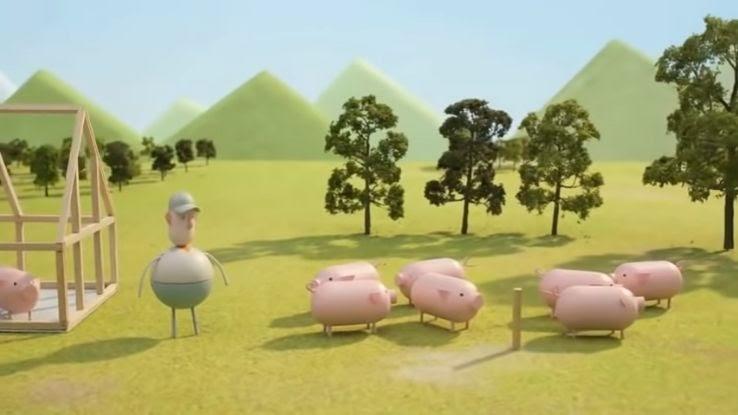
The entrada picked upward a lot of steam in the early 2012s after ambulation during the Grammy Awards. To Chris Martin's chagrin, many viewers and critics thought the terminate-move commercial gave a better performance than Coldplay that night.
John West Salmon: "Acquit" (2000)
In this mockumentary commercial about a bear fishing, a guy shows up and kung-fu fights the acquit so he can steal his salmon. A scene that could be stolen from National Geographic turns into Fight Club in seconds.
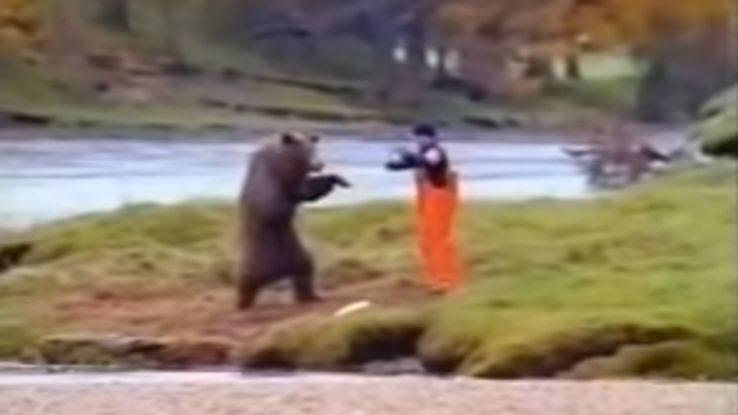
"Bears" won awards for its well-timed comedy and quickly became a viral sensation, receiving over 300 million views. It was as well voted the Funniest Advertisement of All Time in Campaign Live'due south 2008 viewers poll.
One-time Spice: "The Man Your Man Could Smell Like" (2010)
Old Spice wasn't a company that preferred funny commercials over serious marketing at first, merely that all changed in the 2010s. Isaiah Mustafa delivered kept audiences laughing from kickoff to finish and made the phrase, "I'm on a horse," a joke all on its ain.
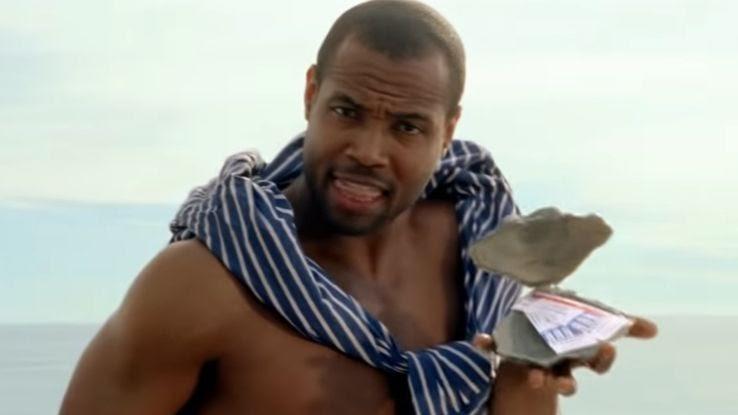
The commercial won a slew of awards, and after receiving over 55 million views on YouTube, Old Spice decided to brand even more ads using the same premise, thereby giving nascence to the Former Spice Guy and a chiliad memes.
Keep America Cute: "Crying Aboriginal" (1971)
This commercial depicting a Native American crying over the pollution of his land was one of the most successful campaigns run by Keep America Beautiful, a nonprofit that advocates for litter removal forth highways. The commercial has get a authentication of 70s environmentalism.
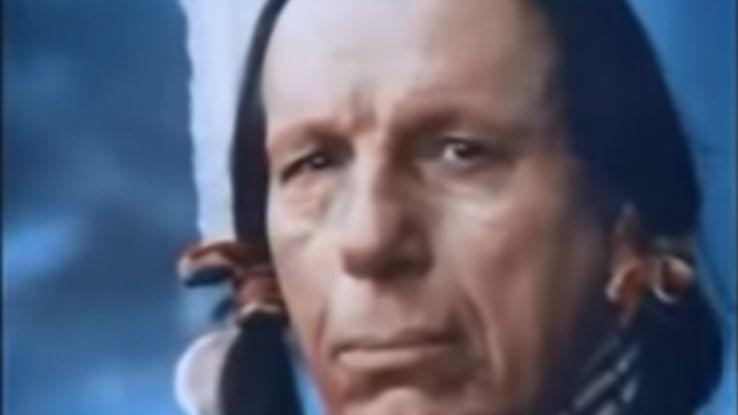
Fun fact: While Iron Eyes Cody, the histrion who played the Native American chieftain, claimed to be Cherokee, his family unit said otherwise, and he was confirmed after expiry to really exist Sicilian. His nascence name was Espera Oscar de Corti. He likewise needed to wear a life preserver under his buckskins when he was canoeing on the river because he couldn't swim.
Mentos: "The Freshmaker" (1992)
This advertizement for Mentos candy combined a Euro-pop jingle with corny acting and the dazzler that was 90s manner. Information technology wasn't constructive at first, but information technology did requite visibility to a candy that wasn't well-known in the United States until this advert entrada.
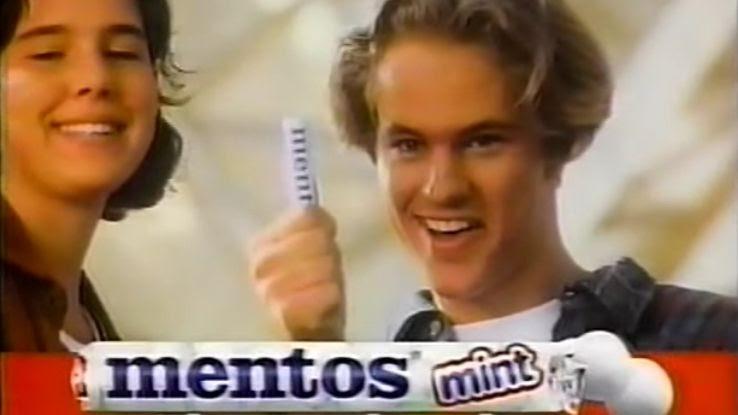
Gen-Xers love the catchy jingle, and and then did the Foo Fighters. The music video for their unmarried "Big Me" parodied the ad and won an MTV Video Music Honour for its trouble. The director of the video, Jesse Peretz, called the original commercial "total lobotomized happiness."
Nike: "Hang Time" (1989)
If yous've ever thrown a sheet of rolled-up paper in the trash while yelling, "Money!," you have "Hang Time" to thank for that. Director Spike Lee and Michael Jordan collaborated to make fun of the traditional "hero athlete" image to create a series of hilarious commercials.
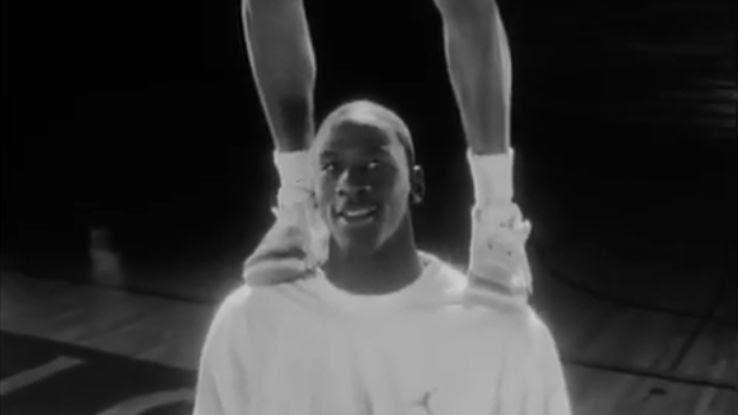
Spike Lee appeared in the commercials every bit motormouth Mars Blackmon. This 10-office serial fabricated Air Jordans a household name and popularized multiple slang terms and jokes. Michael Jordan has appeared in hundreds of commercials overall, including his infamous McDonalds' appearance, but this one is his best.
Wendy'due south "Where's The Beefiness?" (1984)
Wendy'south, Burger Male monarch and McDonald's are fast-food rivals to terminate all fast-nutrient rivals. While the first of the three has frequently lagged backside its competition, the catchphrase, "Where's the Beef?" from a Wendy's Super Bowl commercial helped it catch up a flake past drawing attention to the lack of beefiness in its rivals' burgers. The phrase has after come to mean calling the substance of something into question.
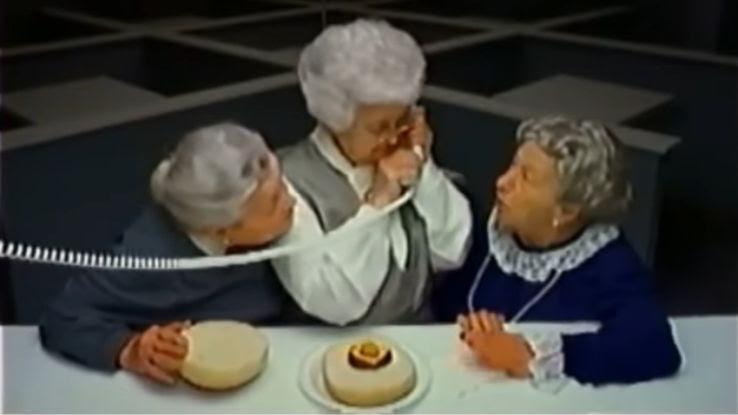
The ad campaign helped boost Wendy's revenue by 31 percent that year and was used in Vice President Walter Mondale's presidential campaign. Non only did the campaign sell more meat, only it as well revived Mondale's flagging entrada. Talk most ii birds with one stone.
Budweiser: "Wassup?!" (1999)
Beer commercials are well known for using beautiful women in their ads, which fabricated Budweiser's "Wassup" commercial all the more unique. It showed guys just hanging out,, and it fabricated the beer a subtle element in the commercial itself. This Super Basin advertizing created a new genre of commercials that used entertainment to sell a product.
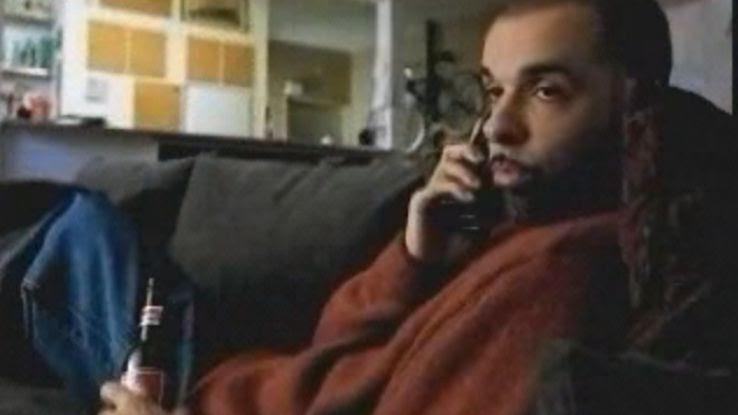
"Wassup" became a worldwide phenomenon and was subsequently parodied throughout the early on 2000s, including through an entire scene in Scary Moving-picture show. This Budweiser campaign is still popular to this day, with Burger King creating a variation of its own in 2018.
IKEA: "Dinning Room" (1994)
In 1994, IKEA launched a trilogy of ads focusing on unlike families buying dining room furniture, including a married man and wife, a divorcee and a gay couple. The religious right protested ad featuring gay men, just IKEA didn't back down.
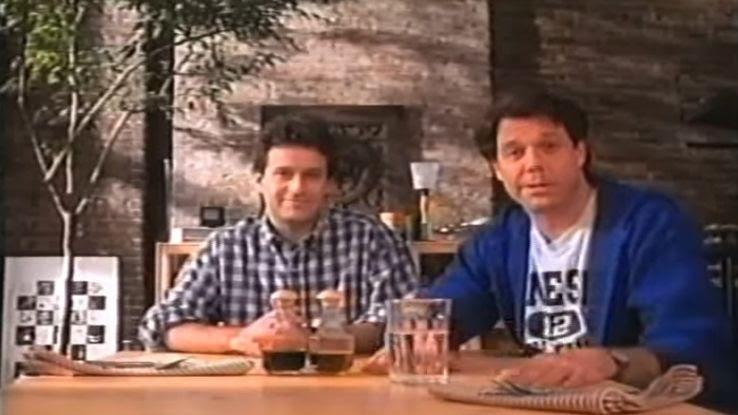
The Swedish furniture company argued that the commercial wasn't a political statement. They merely wanted to portray modern Americans in all their different relationship status. IKEA won major points with the LGBTQA community and their allies, leading to boosted sales.
Chanel No. 5: "Marilyn" (1994)
When Marilyn Monroe told an interviewer that she wore only Chanel No. v to bed, it fabricated the company millions of dollars. To capitalize on that success for a new generation, Chanel used a mix of acting and technology to morph Carole Boutonniere in Marilyn Monroe singing I Wanna Exist Loved past Y'all.

Chanel paid a pretty penny to use Monroe'southward likeness and song, but the money was worth it, equally sales skyrocketed. Chanel No. five is still the meridian-selling perfume for the company, and it's in part because of the cultural cachet the advert gave the picture show years ago.
TRIX: "Trix Are for Kids" (1959)
"Silly rabbit, Trix are for kids!" says a plucky young girl after outsmarting an animated rabbit. That rabbit has been on a quest for the fruity goodness of Trix for decades now, but to this day, he hasn't had a bite.

The ad entrada was so popular that 50 years later, people are still maxim the catchphrase to ward off people from their food. While sales for the cereal are down as of late, the brand withal managed to milk years of success from a single advertizement.
MEOW Mix: "Singing True cat" (1972)
The classic Meow Mix song is a hit today, but it was really the issue of an accident. While filming a cat eating for use in a commercial, the cat in question began to asphyxiate on its food. While the cat was fine, the footage was unusable — until someone decided to take a snippet of the video and apply it to create the famous lip-synced cat.
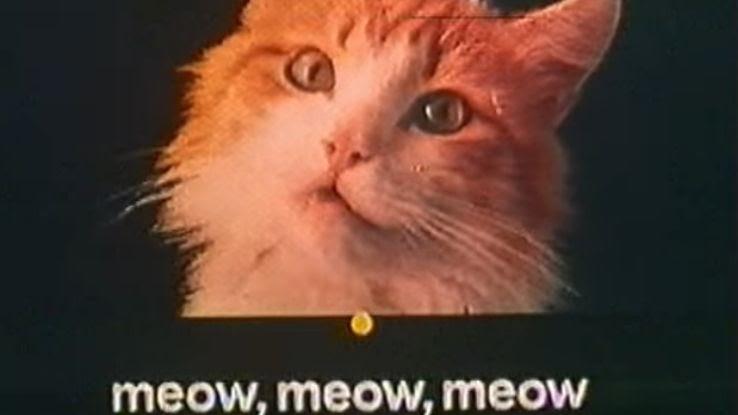
The spot the Meow Mix song only price around $3000, simply the company subsequently made millions off of the funny commercial. It was then successful that the true cat was eventually printed on numberless of cat nutrient.
Reebok: "Terry Tate, Office Linebacker" (2003)
In this Super Basin commercial, Terry Tate destroys an office building and its staff and gets paid for information technology. If you haven't already watched this, you're in for a treat. The 1-liners and outrageous behavior truly earn this commercial a identify in the ad pantheon.
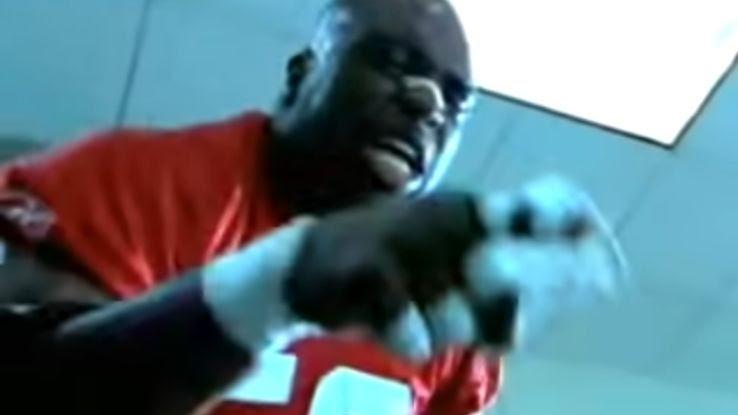
Although it was incredibly pop, only 55 percentage of viewers polled remembered that the commercial had anything to practise with Reebok. The company reported that sales nonetheless went upwardly fourfold online, but the advertizing nevertheless serves as a alert sign that not all successful ads lead to higher sales.
Snickers: "Hungry Betty White" (2010)
Is Betty White ever not funny? The respond is no. During the 2010 Super Basin, the former Golden Daughter starred in the now famous "You're Not You When You're Hungry," which spawned an entire series of additional ads.
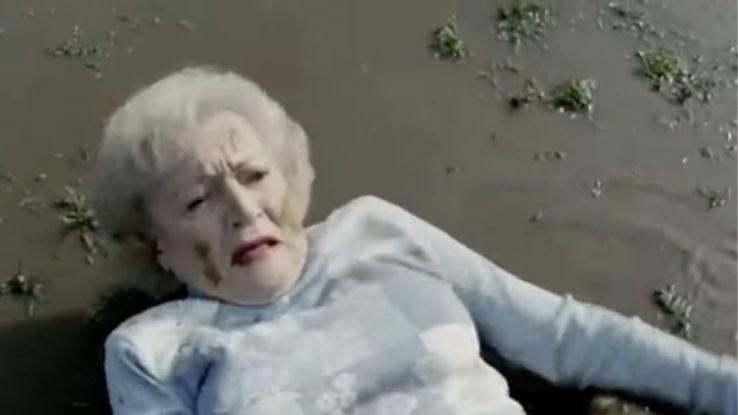
The ad won the night for best Super Bowl commercial and helped Snickers earn a full of $376 meg in two years. It was also credited with revitalizing Betty White's career, who appeared on Saturday Night Live and other leading roles presently after.
Honda: "Paper" (2015)
This unique advertizing takes viewers through Honda's 60-yr history. Information technology starts with Soichiro Honda's idea of using a radio generator to power his wife'south vehicle and ends with a ruddy Honda driving away in the desert. The paper background makes the commercial feel nostalgic and personal.
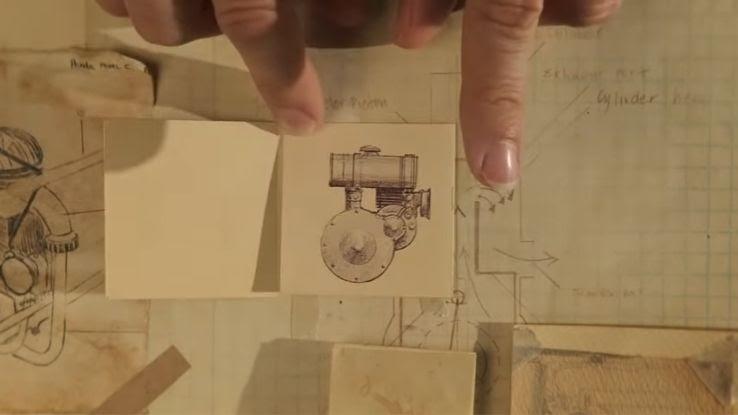
Honda made such an impact on their target market that it won an Emmy Laurels. Created through 4 months of manus-drawn illustrations past dozens of animators, the newspaper flipping and terminate-motion techniques used in the commercial proved revolutionary.
E-Merchandise: "Monkey" (2000)
Ad Age described this ad every bit "impossibly stupid, impossibly bright," and that'south certainly non wrong. East-trade is an investment website that helps people make informed decisions virtually things like stock and bonds. The commercial shows a chimpanzee dancing in a garage and lip-synching "La Cucaracha."
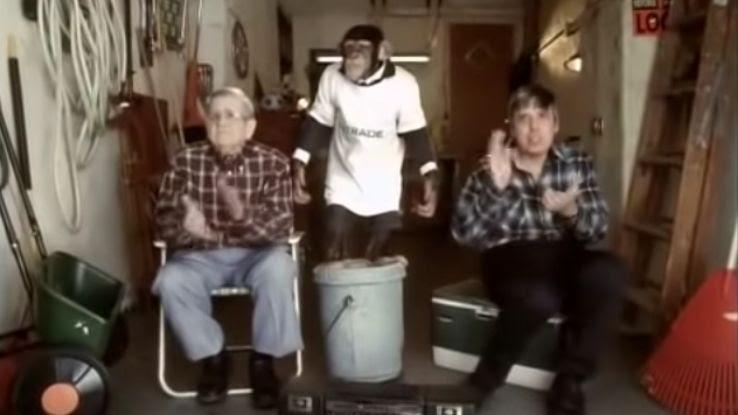
The off-rhythm, flannel-clad seniors plain paid $2 million for the privilege of spending time with this primate. E-Trade informs the viewer that in that location are better means to spend hard-earned money, and they can help.
Mountain Dew: "Puppy Monkey Baby" (2016)
"Puppy Monkey Baby" features, unsurprisingly, a weird hybrid brute resembling a baby, monkey and pug. It was bizarre, and probably the cause of many a child'due south nightmares, but it was a social media success. Information technology generated 2.2 1000000 online views and 300k social media interactions in one night.
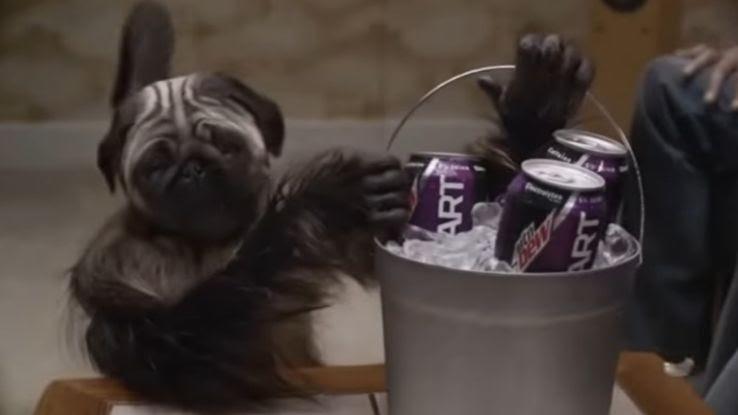
Mount Dew knew that confusion over the sketch would draw attention, and they were right. Whether people loved the Puppy Monkey Infant or hated it, Mountain Dew was on their minds. This bizarre creature led to millions in sales.
WATERisLIFE: "Kenya Bucket Listing" (2013)
Thanks to adoption adverts from the 1960s, it'due south well known that many rural parts of Kenya have poor drinking h2o. In 2013, nonprofit WATERisLife created a campaign that brought awareness to this fact again. In fact, co-ordinate to the ad, 1 in 5 children in Kenya won't reach the age of five.
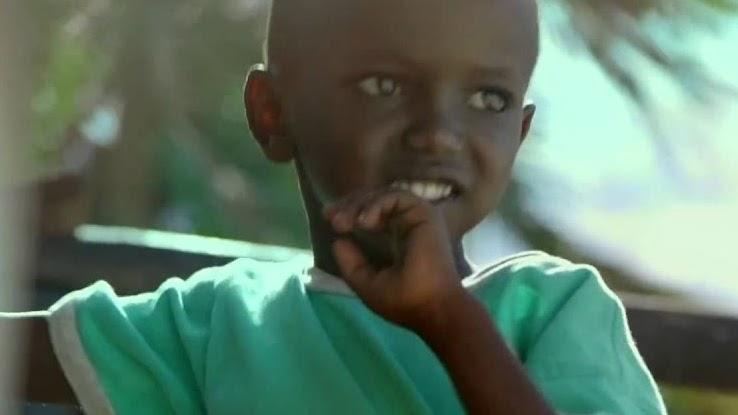
Ii ambrosial 4-year-olds, Maasai and Nkaitole, continue an adventure to see everything they tin "before they die." The ad pulled at the nation's heartstrings and started a domino event of mass donations.
Volkswagen: "The Force" (2011)
Volkswagen'south "The Force" is currently the well-nigh-watched Super Bowl commercial of all time. In the commercial, a tiny kid dressed as Darth Vader tries to use the force in multiple ways. He "successfully" uses it against a car when his father secretly activates it with a remote.
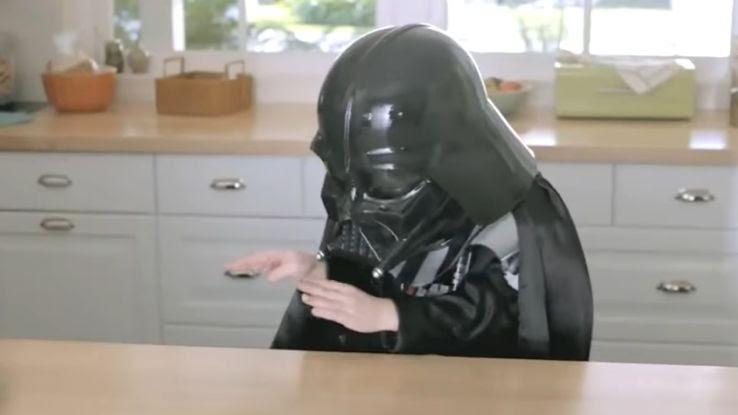
Volkswagen released the ad early on on YouTube, where information technology gained 1 million views overnight, and 16 million more before the Super Bowl. It paid for itself earlier the advertisement ever ran on idiot box. Before this ad, it was unheard of for advertisements to piece of work so effectively earlier their initial release.
Thai Life Insurance: "Unsung Hero" (2014)
This Thai Life Insurance commercial was massively popular because of how cute and touching its story was. It follows a man who likes to do nice things for people, just this "unsung hero" doesn't get any adoration for it — in the commencement.

Apparently, ads that showcase a good crusade and tug on the viewers' heartstrings are peculiarly effective in Due east Asian countries. Considering how popular it was in the United States, it must have had an even ameliorate run in its native Thailand.
Source: https://www.ask.com/entertainment/most-important-commericals-all-time?utm_content=params%3Ao%3D740004%26ad%3DdirN%26qo%3DserpIndex
0 Response to "If You Didnt Have Time to Do It Right the First Time How Will You Ever Have Time to Do It Again"
Post a Comment